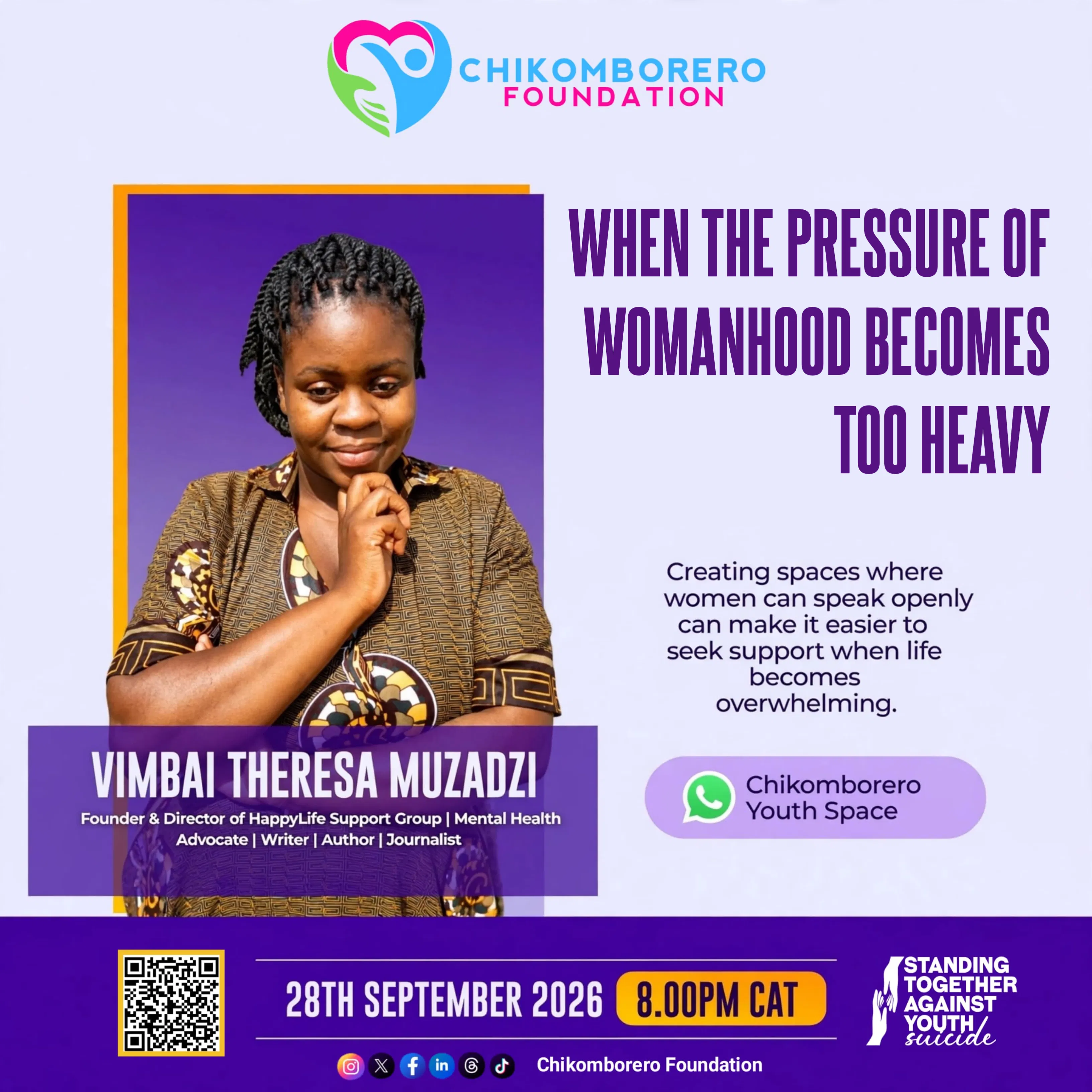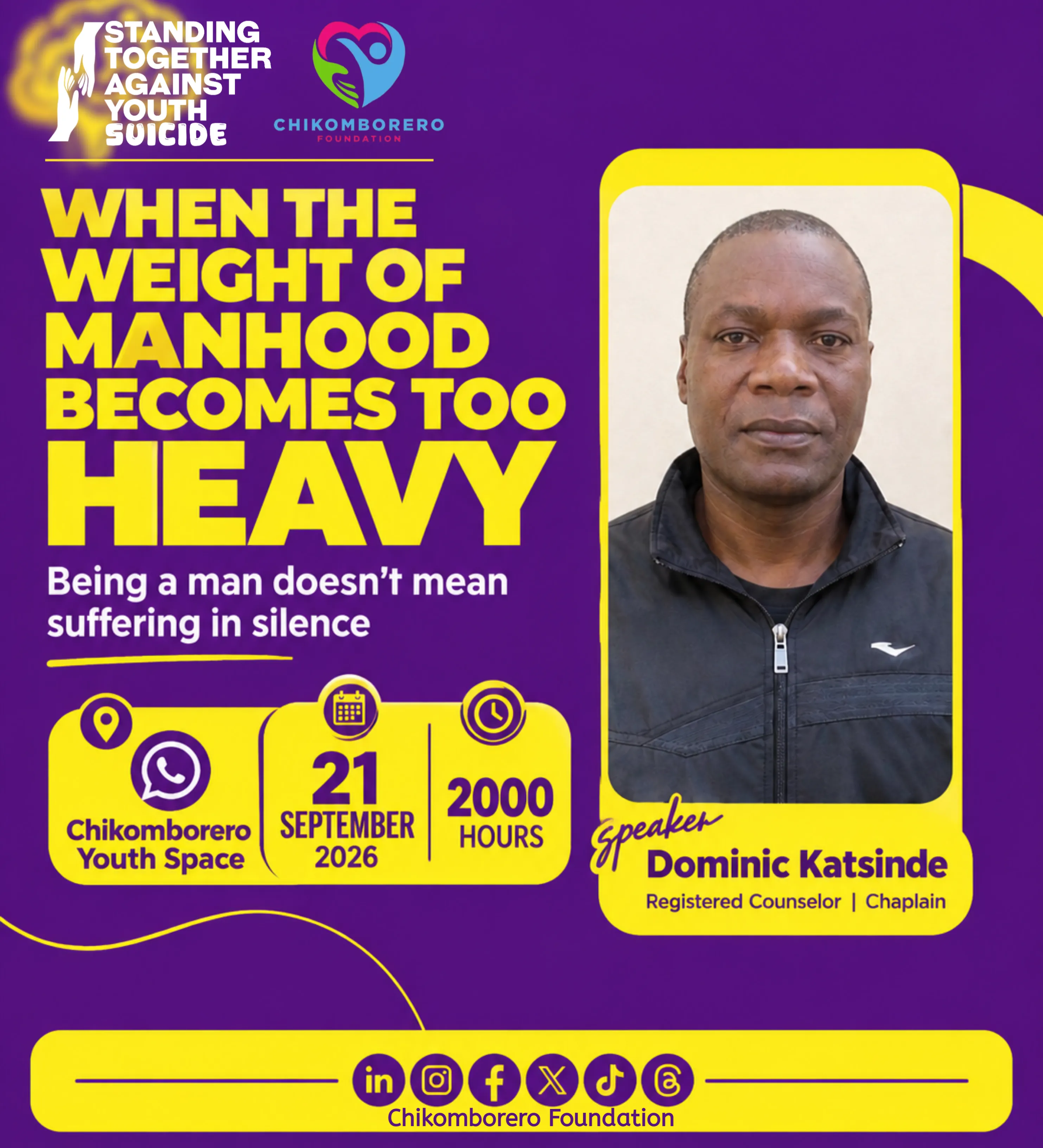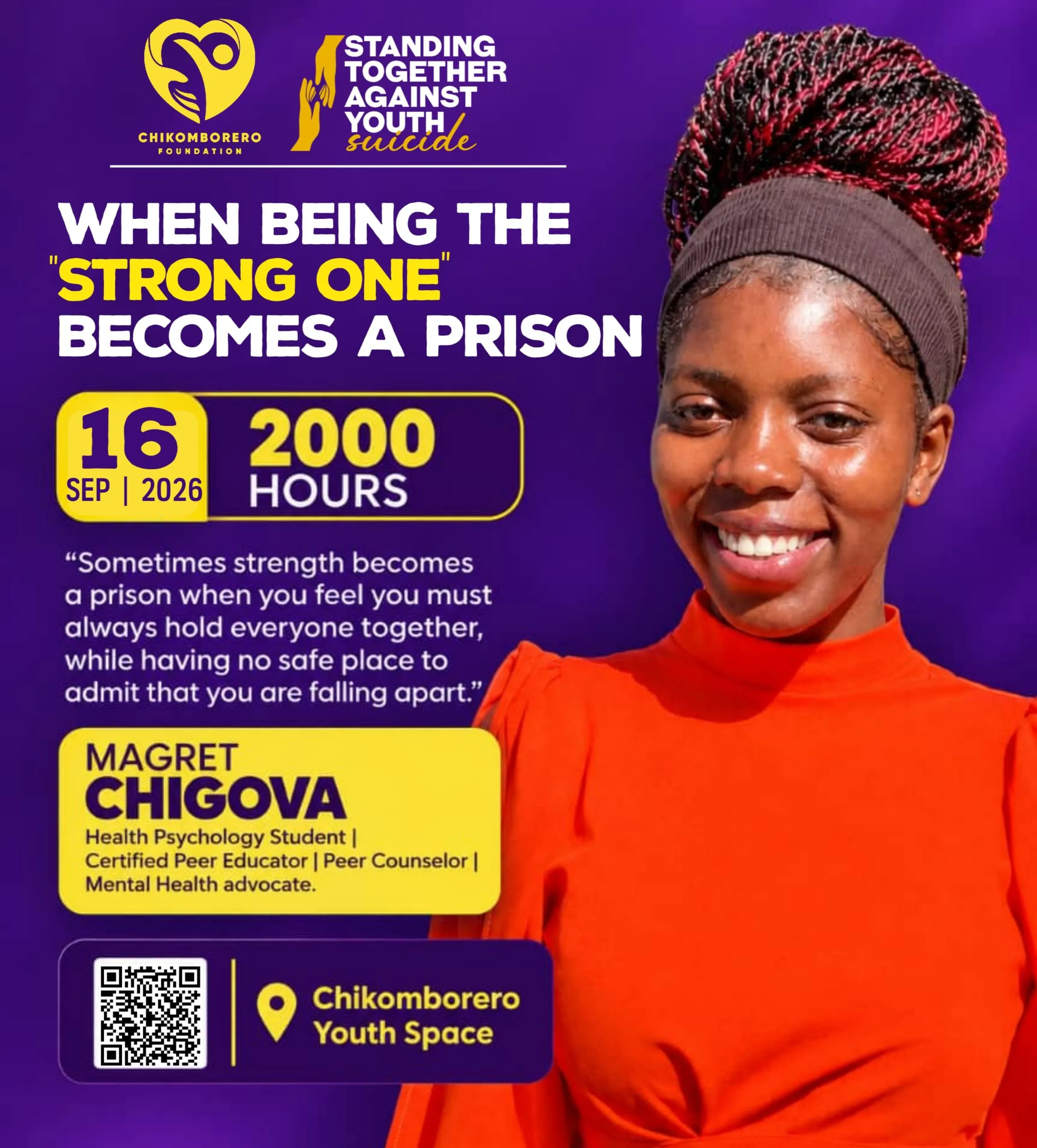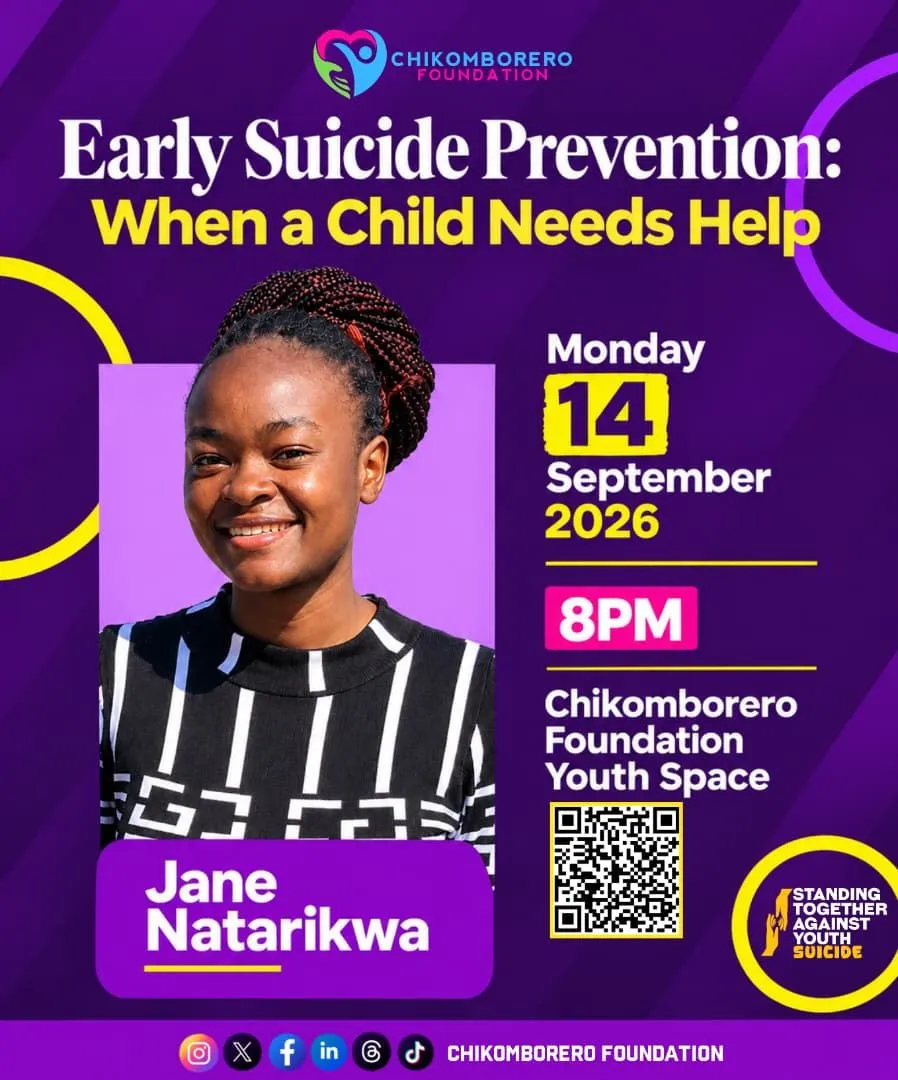




Chikomborero Foundation hosted a Mental Health on Mother Wounds, creating a safe and supportive environment where participants explored how the relationship with a mother or primary female caregiver can influence emotional well-being throughout life. The discussion emphasized that while children may not remember every conversation or event from childhood, they often carry the emotional experiences of those moments into adulthood.
The dialogue also explored the connection between unresolved childhood experiences and common mental health challenges such as anxiety, depression, chronic self-doubt, perfectionism, fear of rejection, people-pleasing, trust issues, and difficulties with emotional intimacy. Participants were encouraged to recognize that many of the coping mechanisms developed during childhood were survival strategies that may no longer serve them in adulthood.
Interactive reflections invited participants to examine how their upbringing continues to influence their beliefs about themselves and others. They reflected on the emotional messages they received growing up, identified unhealthy patterns they may have carried into adulthood, and considered practical ways to begin their healing journey.
Key insights from the discussion included:
- Mother wounds are about understanding emotional experiences rather than assigning blame.
- Childhood relationships often influence adult behaviour, emotional responses, and relationship patterns.
- Emotional healing begins with acknowledging and accepting past experiences.
- Self-awareness allows individuals to break unhealthy emotional and generational cycles.
- Setting healthy boundaries is an important part of emotional healing.
- Seeking support through trusted relationships, counselling, or mental health services is a sign of strength rather than weakness.
- Healing is a continuous journey that requires patience, courage, self-compassion, and intentional growth.
The session featured Coach Evermore, who shared practical guidance on understanding unresolved emotional wounds, building emotional resilience, developing healthier coping strategies, and embracing personal healing. Through open discussion, participant engagement, and thoughtful reflection, attendees were empowered to cultivate healthier relationships with themselves and others while recognizing that healing is possible regardless of one's past experiences.